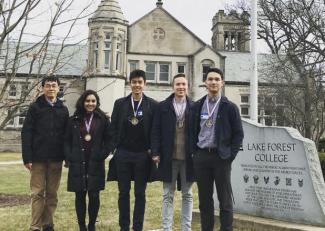
Graduate Students
Nicole Liu's translation of Finding the Steppes (originally: 何处寻甸) by the artist Sha Shuang (沙爽) was published in te magazine issue 4: Spinal Memory.
te magazine is an annual, bilingual magazine launched in 2021 by te editions, a publishing collective based in New York and Beijing. Issue 4: Spinal Memory invites artists and scholars to explore and reimagine a multi-species world beyond our current human-centric understandings. In Sha Shuang's essay "Finding the Steppes," the first-person narrator is an employee of surveillance equipment design company and took a business trip to a dairy farm; she grapples with the relationship between cows and humans while contemplating her own on-going pregnancy.
Nicole Liu is also the recipient of the 2026 Frontline Non-Fiction Translation Fellowship and Stipend.
Frontline Fellowships were originally designed to benefit nonfiction writers and journalists working in Chinese languages. Nicole will be translating a series of personal essays, first-person reportage, and artist statements by vocational school students in mainland China from Mandarin Chinese to English.
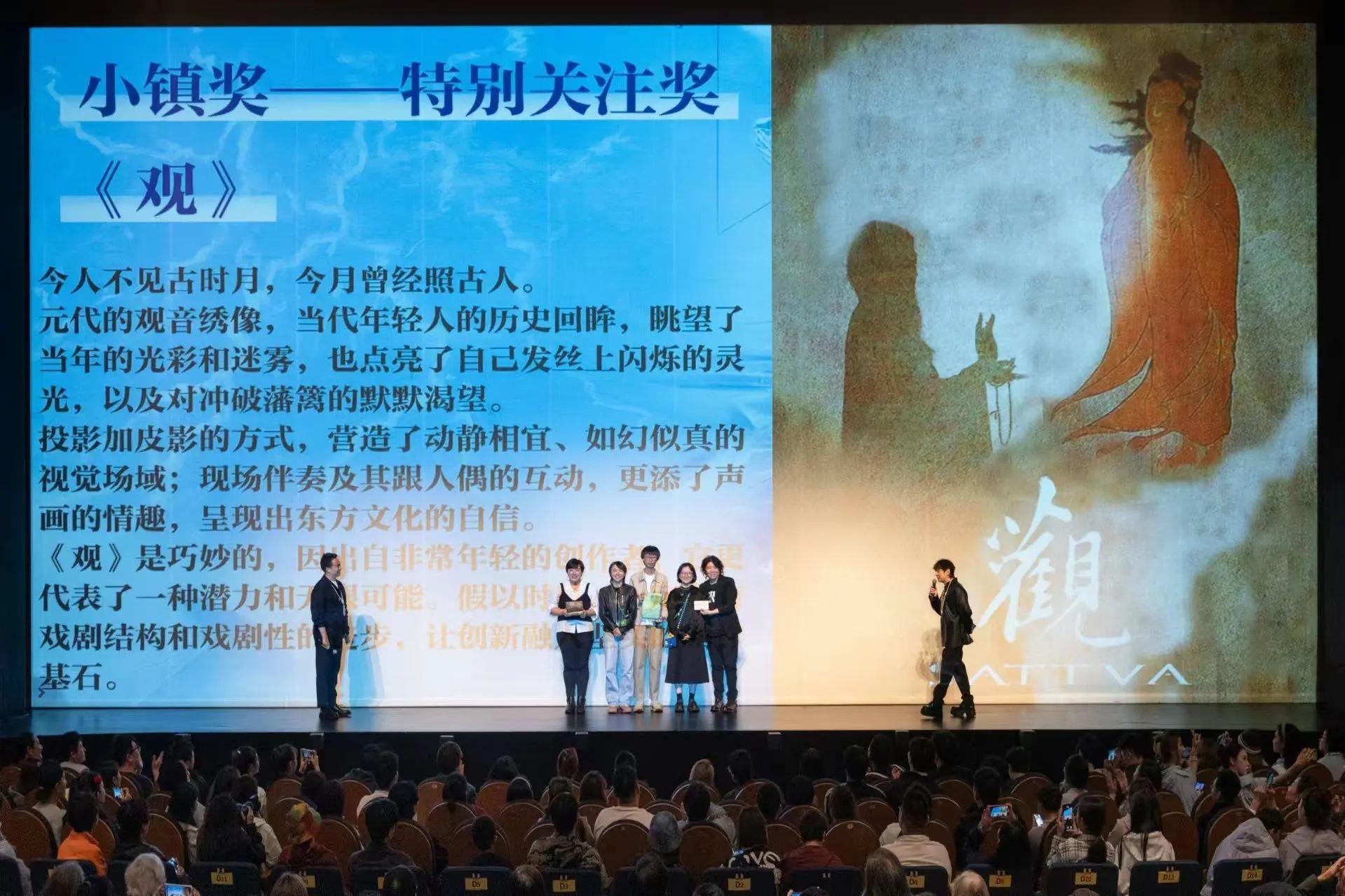
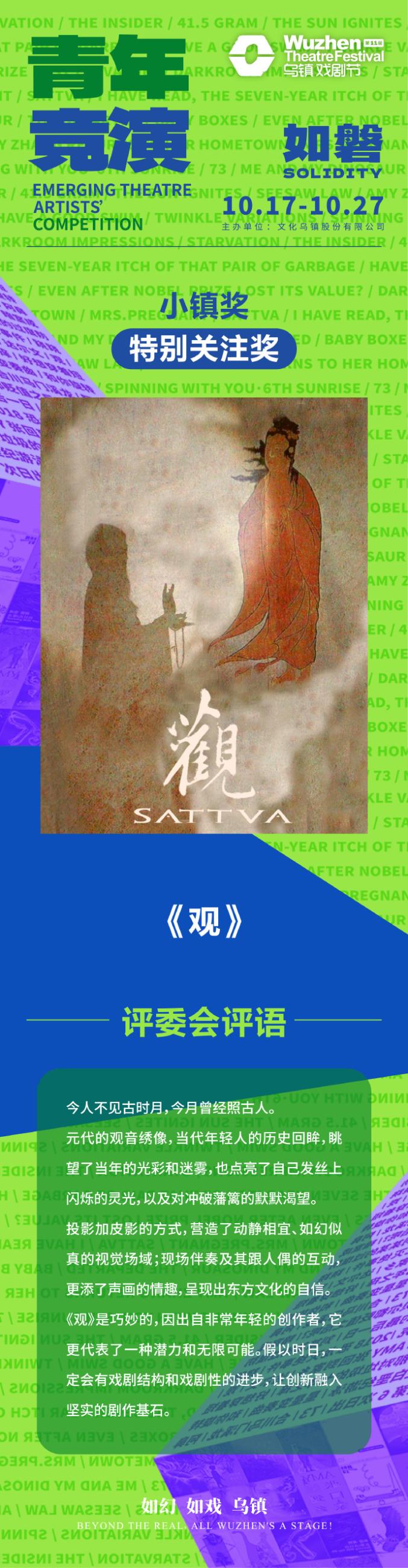
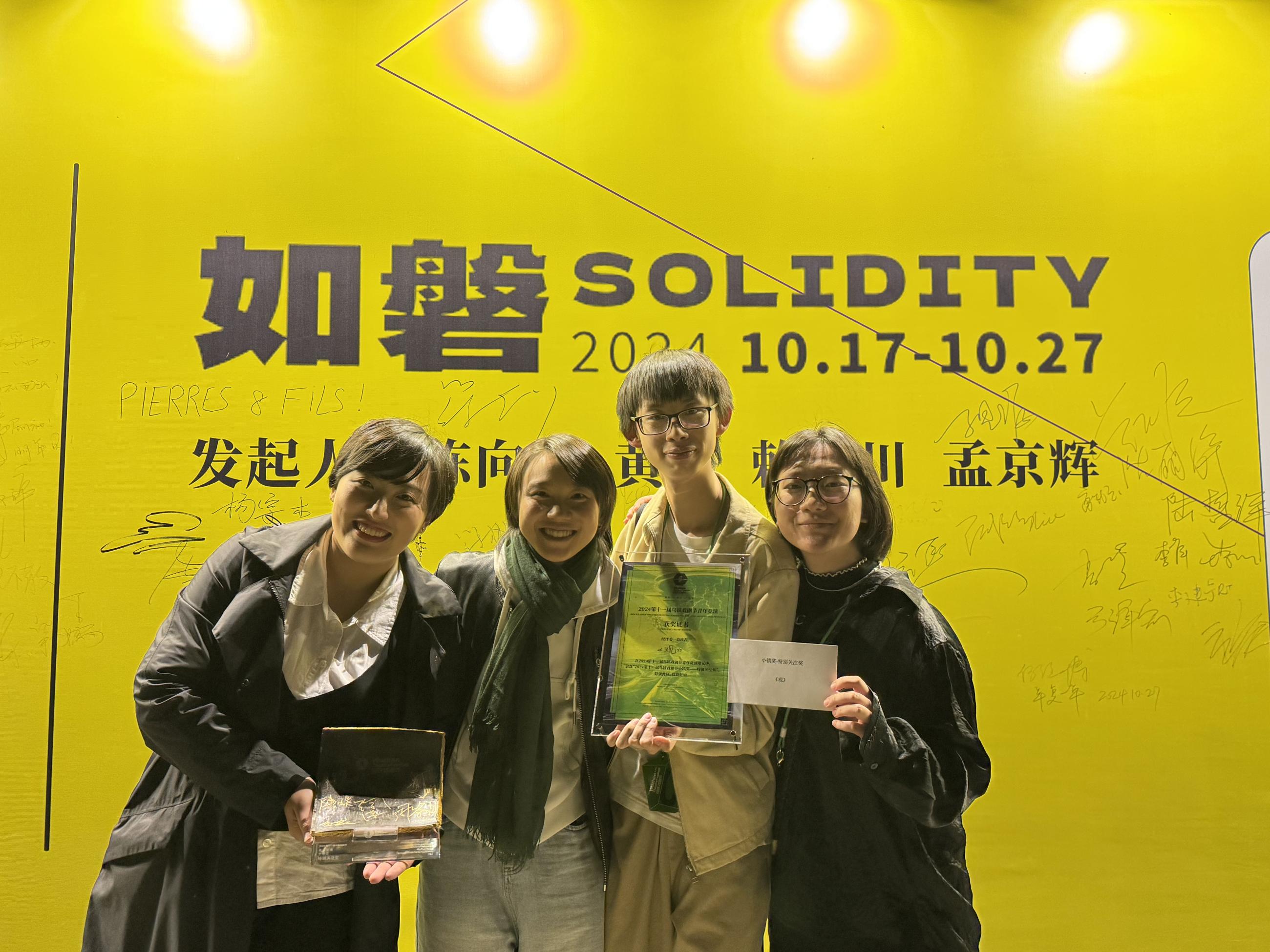
Sattva wins prize at Wuzhen Theatre Festival
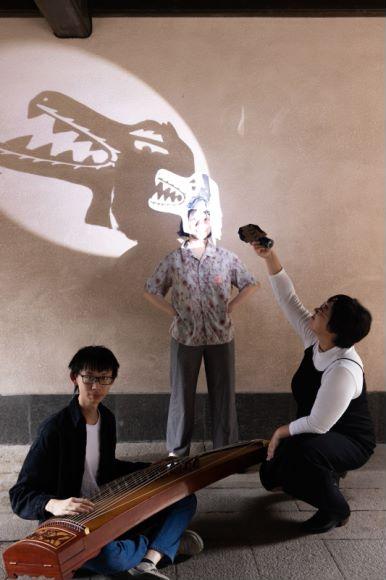
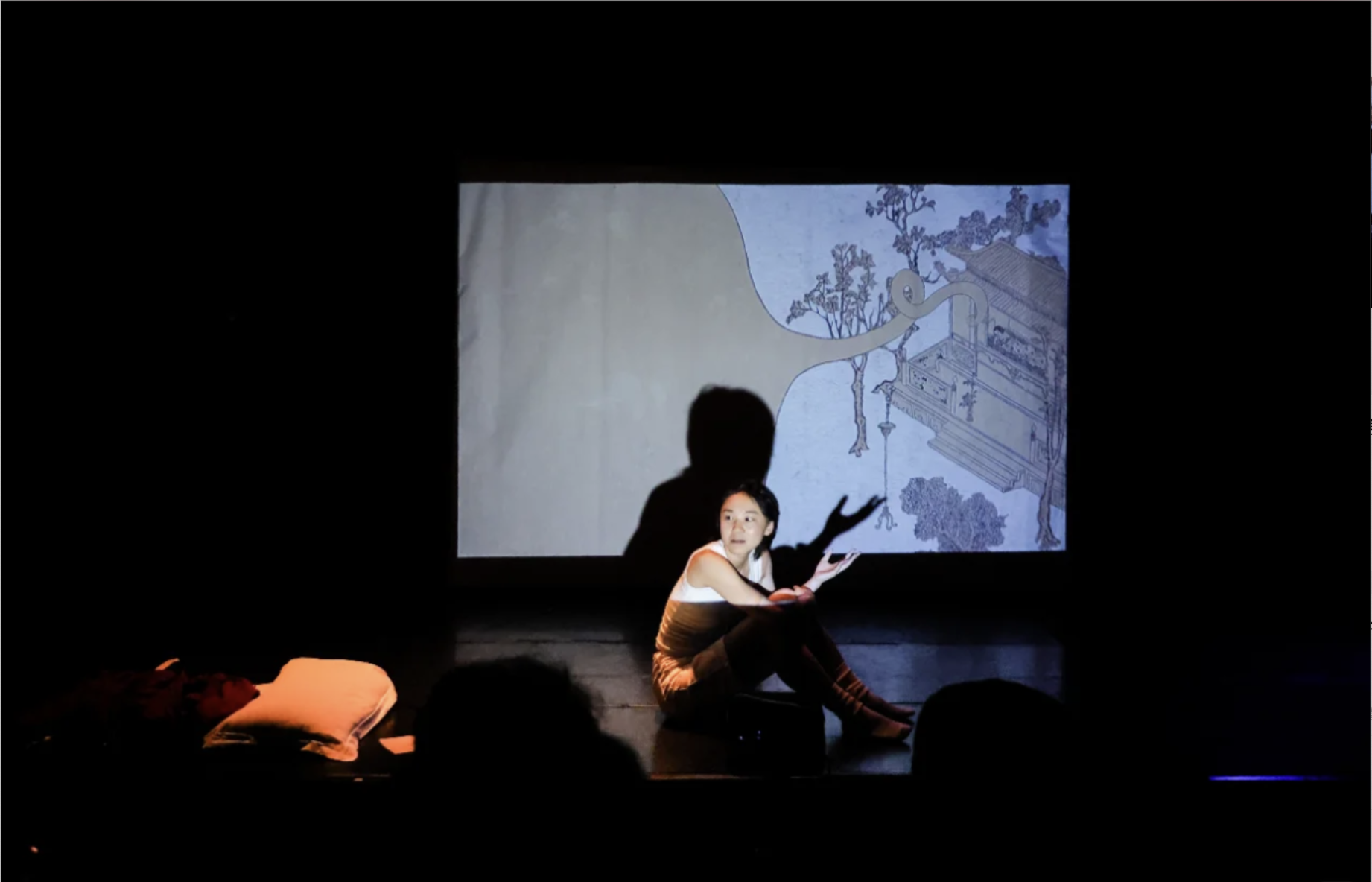
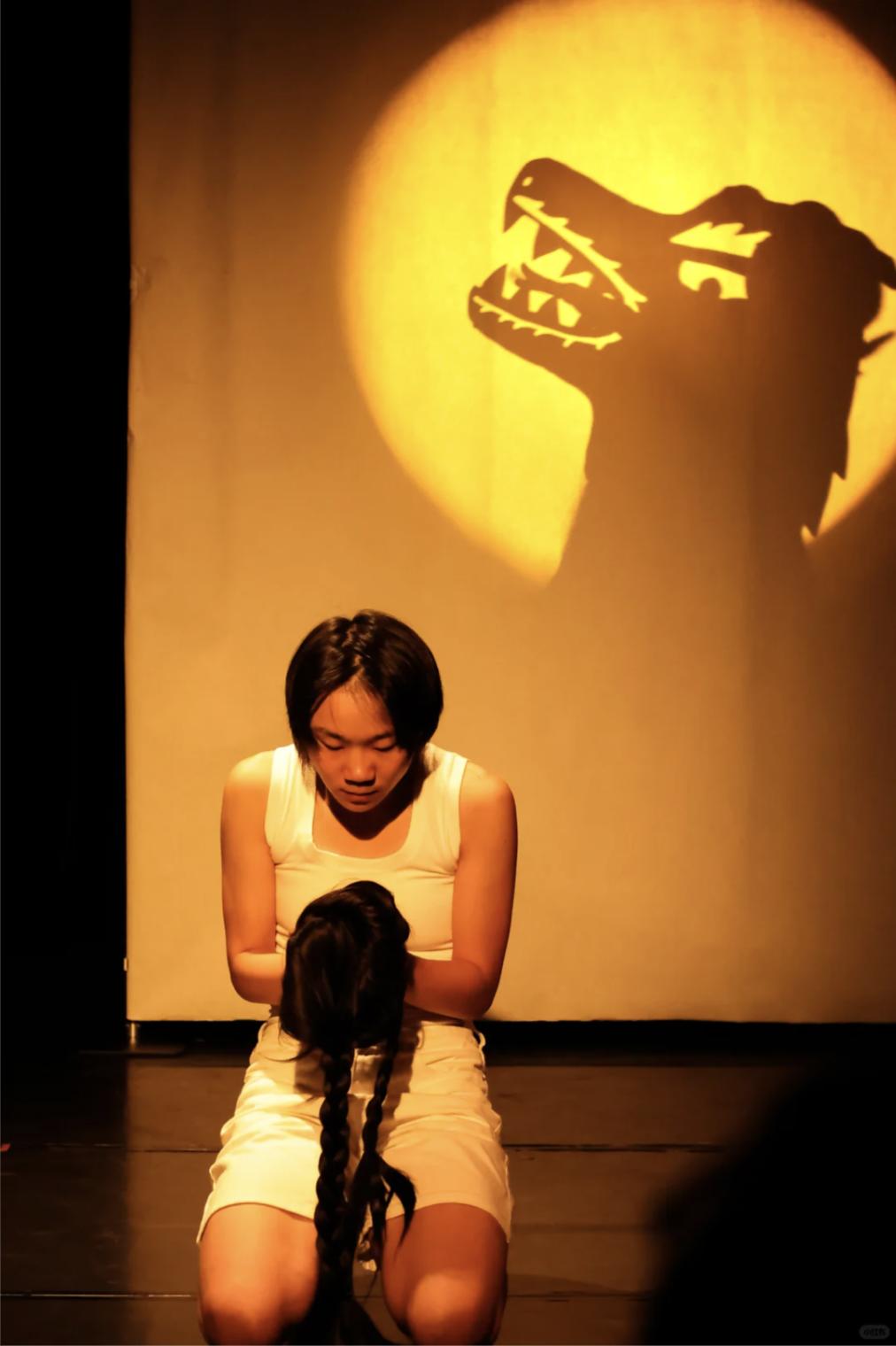
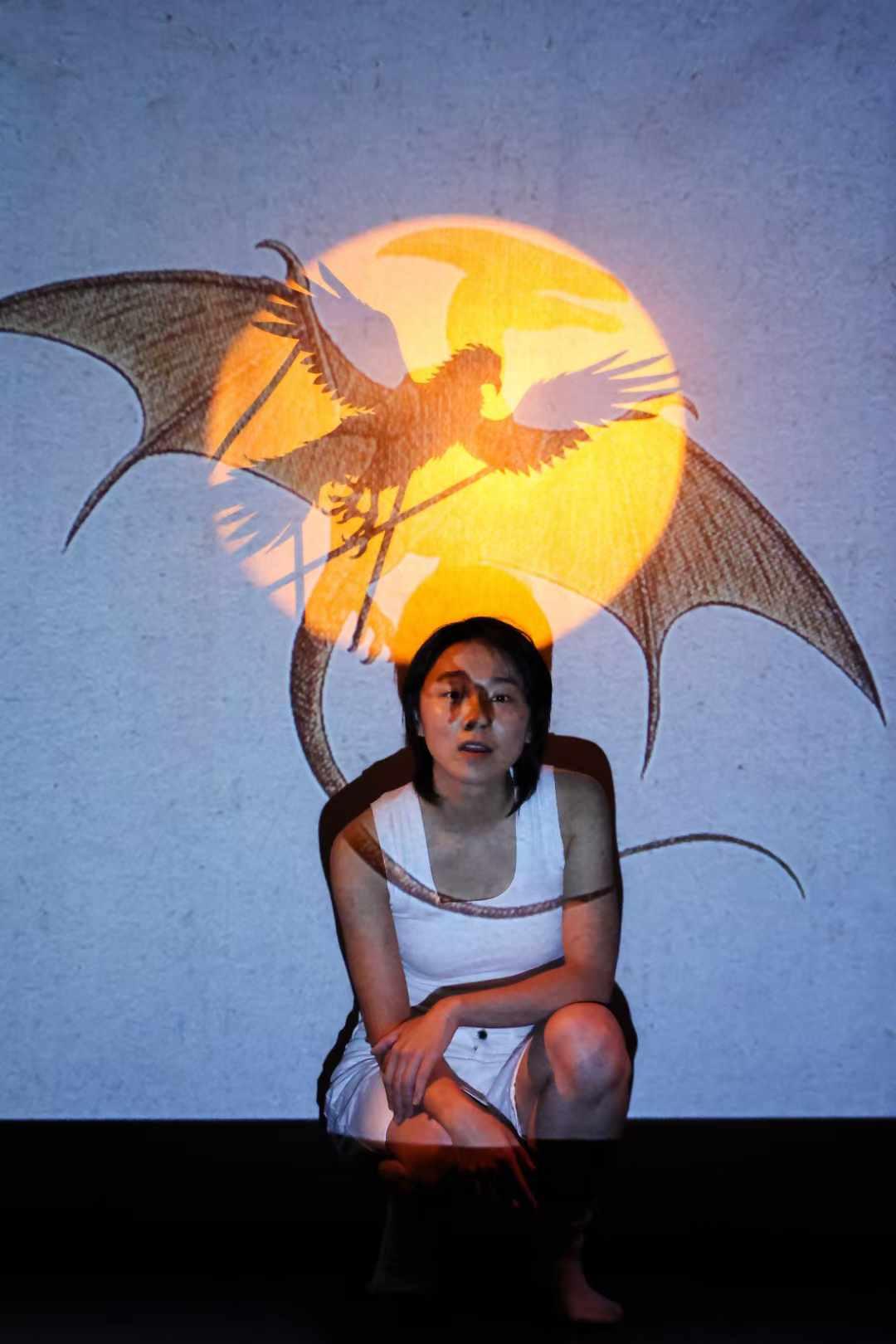
Sattva, a production co-created by students from the University of Chicago, won the Special Recognition Award at the 11th Wuzhen Theatre Festival. Among the team members of Sattva, two are from the University of Chicago: Yiwen WU, the director and playwright, and Aaron Yike HUANG, the composer and musician.
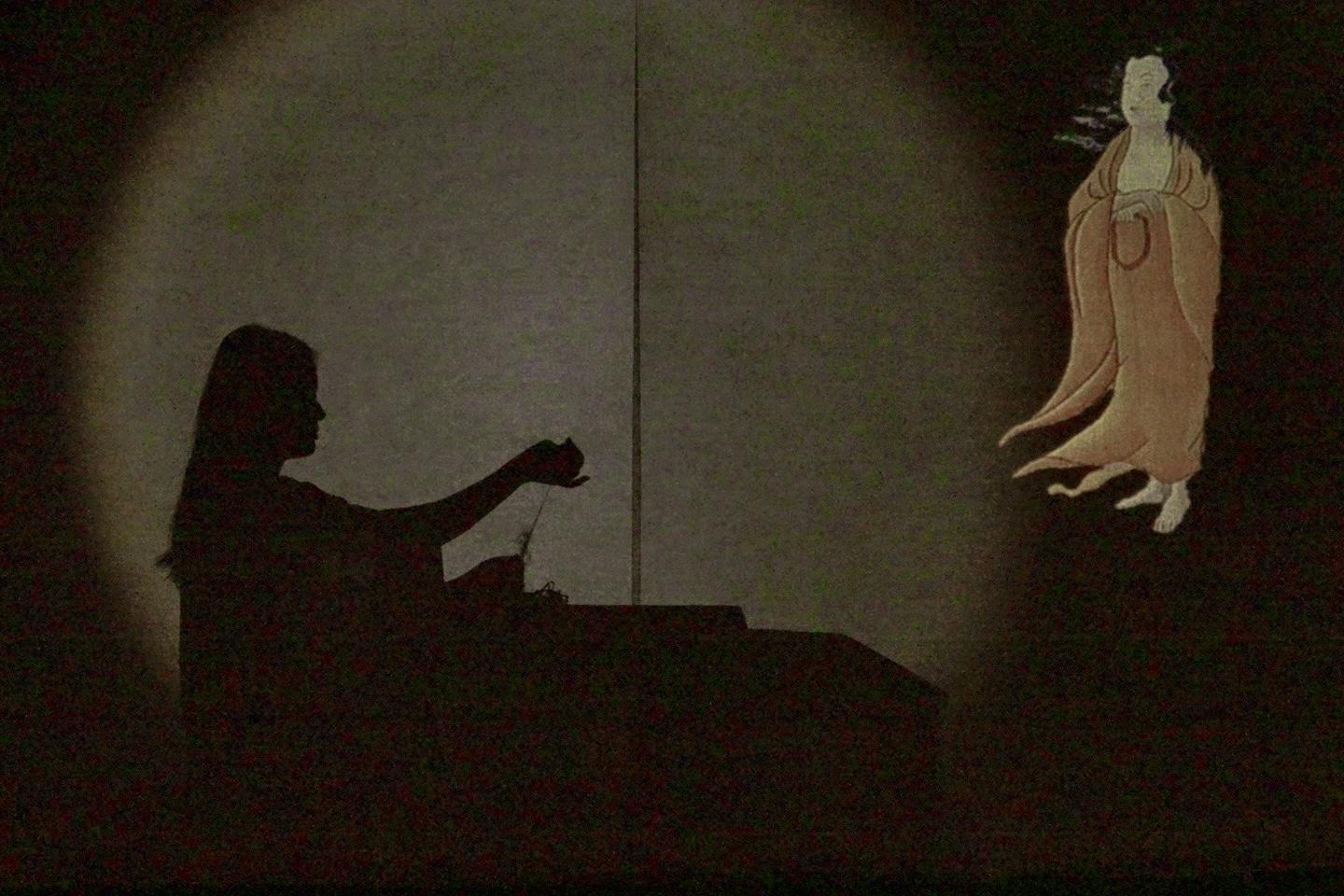
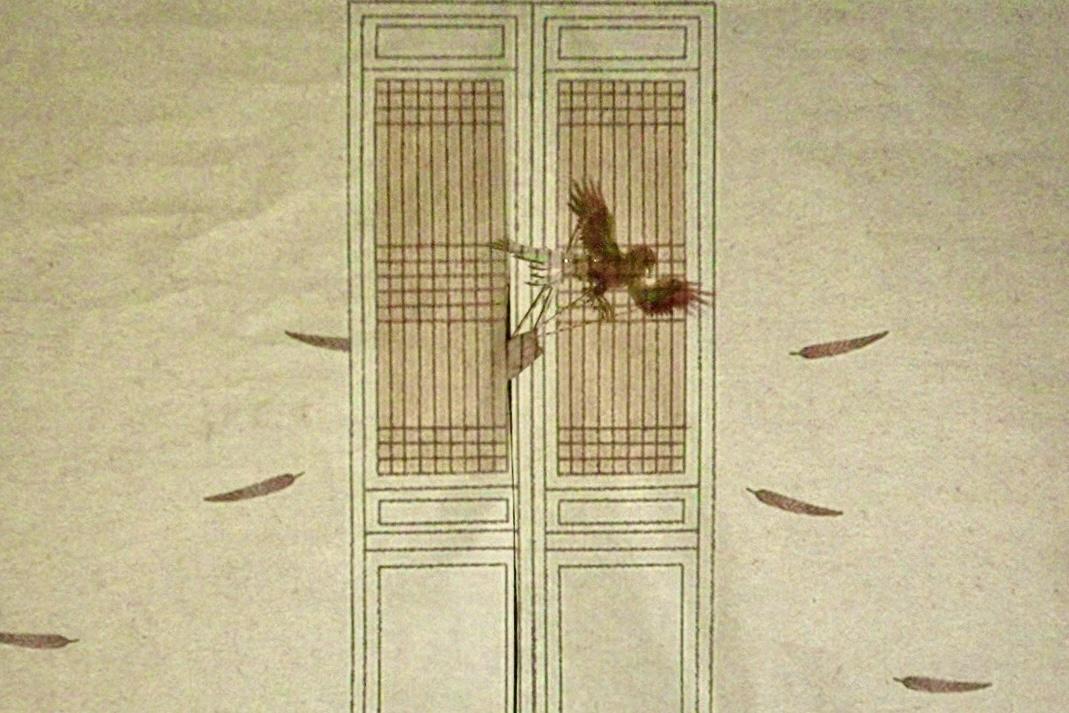
Sattva explores the intricate relationship between identities and the self. The story begins at a museum gallery: Annie encounters an image of Bodhisattva––one that is curiously created by a 13th century female artist using ink and her own hair. As Annie looks into the artwork in its finest details, the image starts to slowly come to life, revealing the story of its creator. As the exploration continues, Annie’s personal struggles as a young woman also start to unravel. It is through the animated image that Annie discovers new possibilities for herself. The production brings together traditional Chinese shadow performances and new animation technology, and the juxtaposition of these two media echoes the dialogue between the two women from different eras.
The performance draws inspiration from another UChicago Alum’s work: Li Yuhang’s (Ph.D. The Department of East Asian Languages and Civilizations, The University of Chicago, 2011, now University of Wisconsin Madison’s tenured professor in art history) award-winning book Becoming Guanyin: Artistic Devotion of Buddhist Women in Late Imperial China (New York:Columbia University Press, 2020). Through animation, shadow play, and live performance, the play brings Li’s academic research to the stage, breathing life into the often forgotten women artists.


Lilian Kong attends FIRST Film Youth Festival
What is the role of the film festival in a world increasingly structured by online platforms? Especially since the COVID-19 pandemic, festivals like Sundance and Berlin have seen declining attendance as concerns over the environmental impact, labor, and politics of the festival circuit have come under scrutiny. If film screenings and discussions could happen virtually, just what is the significance of a physically held festival?
With generous support from the CEAS Pre-Dissertation Grant, Lilian Kong attended China’s FIRST Youth Film Festival in July to explore new configurations of the post-pandemic festival scene. She was particularly interested in how cell phone manufacturer VIVO became a principal partner during and after the pandemic. Rather than simply slapping its logo on festival events, VIVO helped establish a new selection category: the Short Short Film. The category curates films under five minutes, blurring the lines between short film and short video (短视频). The five-year anniversary of this category was also commemorated by VIVO’s Blue Tech Station, a film exhibit advertising its latest X100 Ultra smartphone. Physical places for viewing and discussing films have themselves transformed.
Film festivals have long been a contested space among government, commercial, and independent artistic forces. Now, festivals like FIRST reorient themselves to familiar but shifted power dynamics as it again confronts an age-old question: what is cinema, as opposed to Tik Toks, video chats, or, most important for Lilian’s dissertation, self-documentational video logs (vlogs)? Who gets to poise themselves at the forefront of these confrontations? Who gets left behind?
After the festival, Lilian chatted with professional video editor and Bilibili content creator Amir about these difficult issues. Amir’s vlog successfully entered FIRST’s Short Short Film category in 2021, positioning not just his vlogs, but also their mediations of his sense of self, in between film festival and online platform infrastructures.
Lilian Kong is a PhD Student in Cinema & Media Studies and East Asian Languages and Civilizations. Her dissertation focuses on the vlog as an expanded format in Mainland China, theorizing its media aesthetics of self. She has also written on state-sponsored “main melody” films and East Asian healing media.
100 Years of China's All-Female Yue Opera, April 5–6, 2024
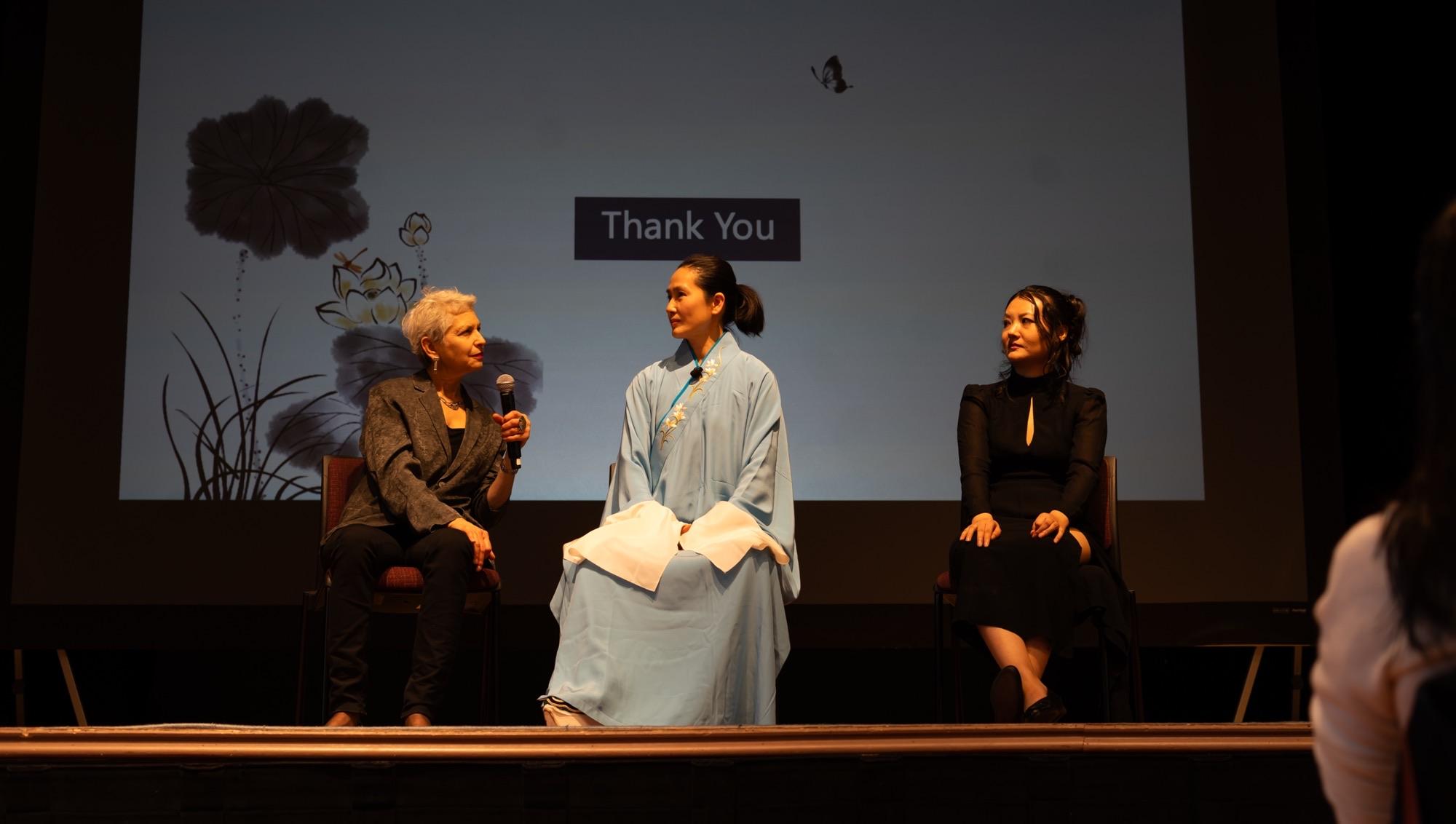
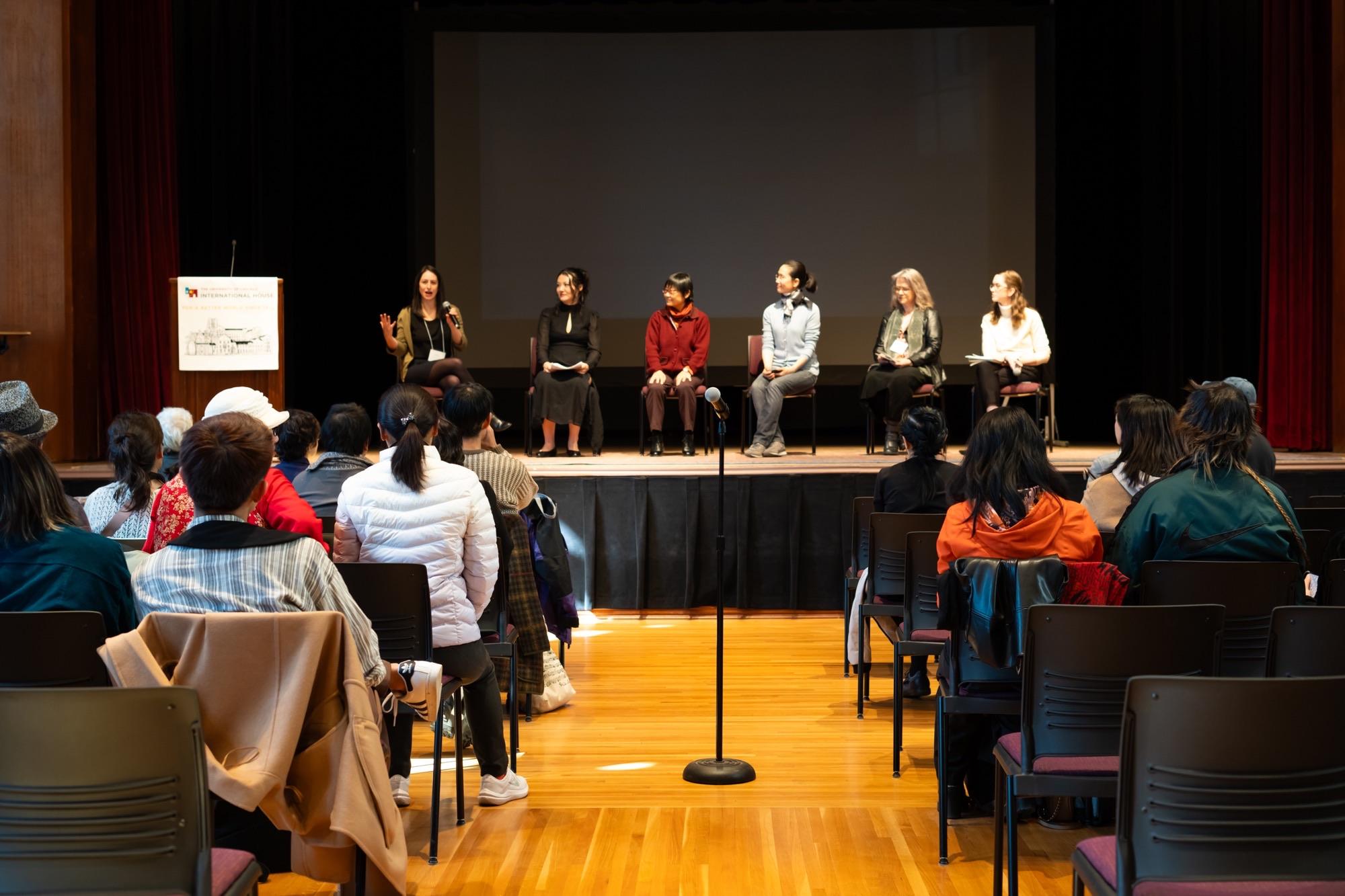
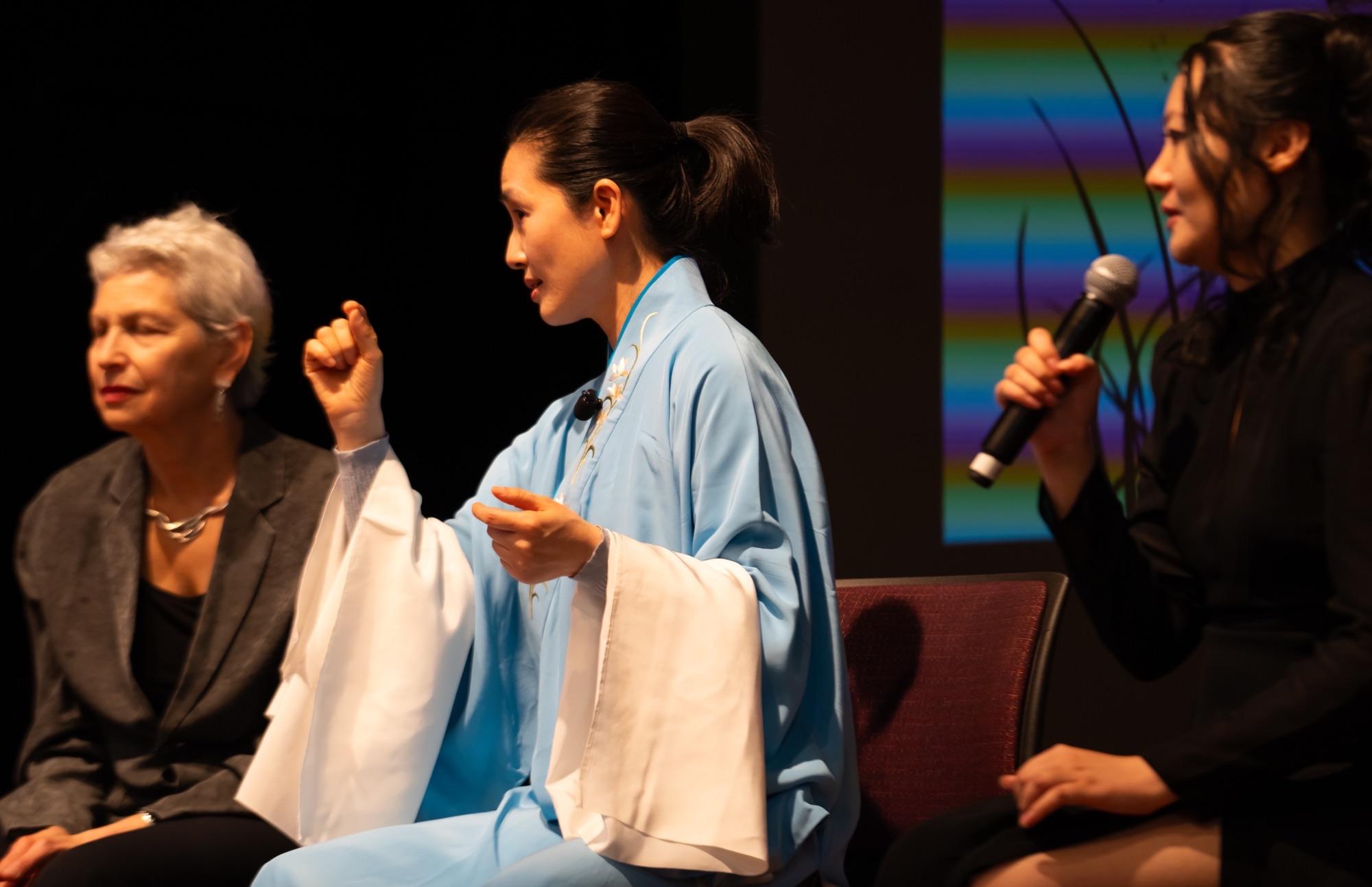
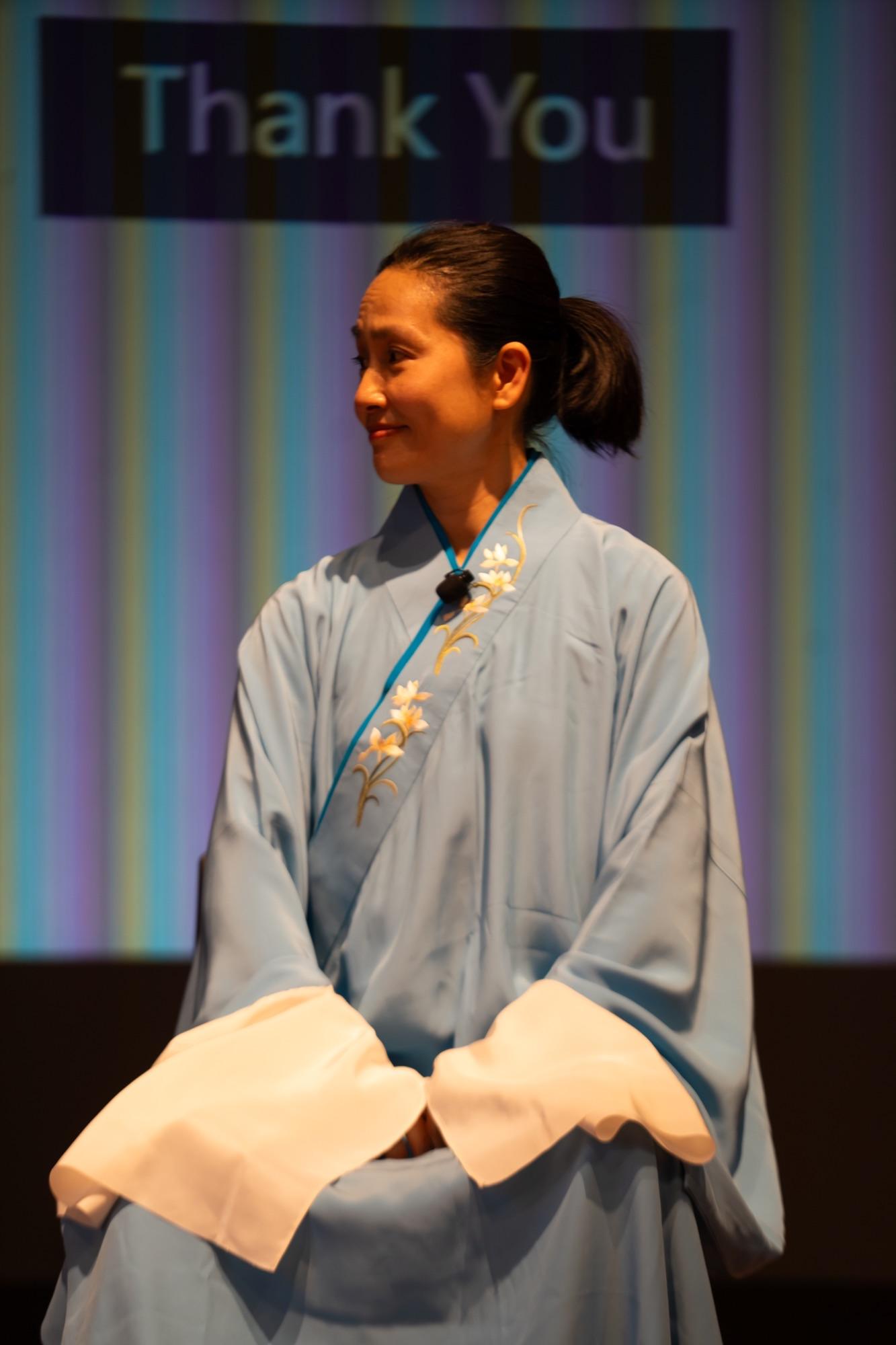
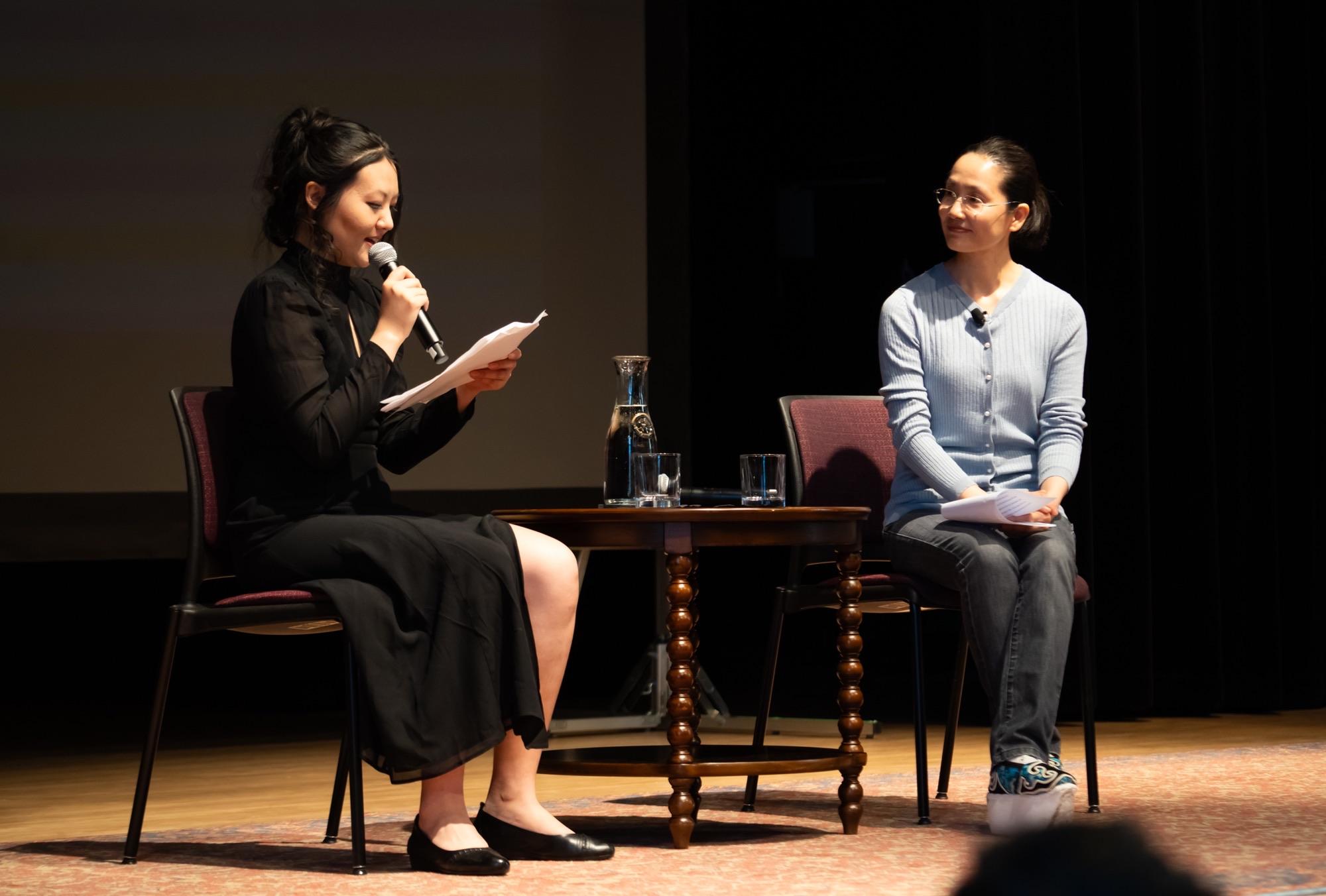
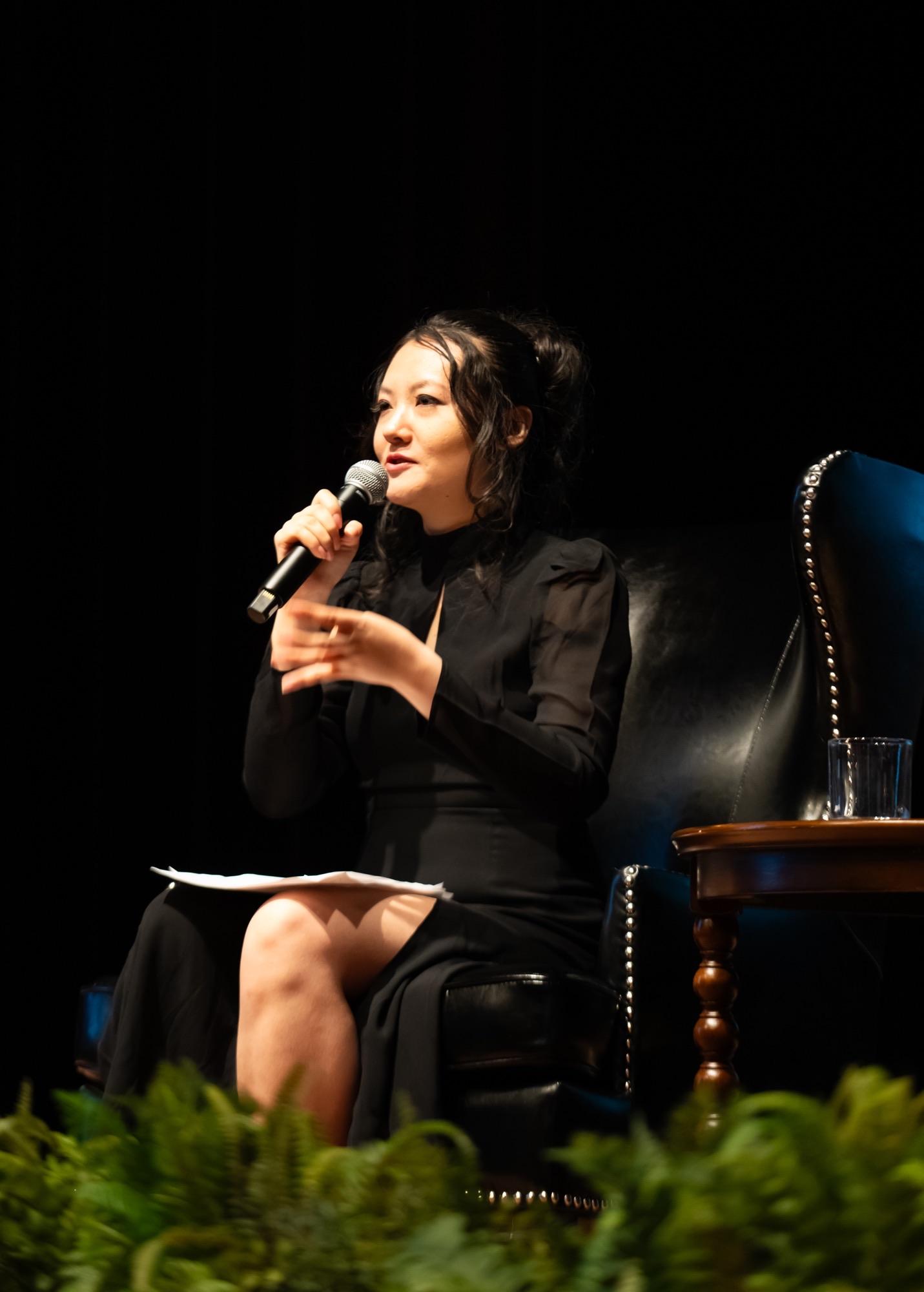
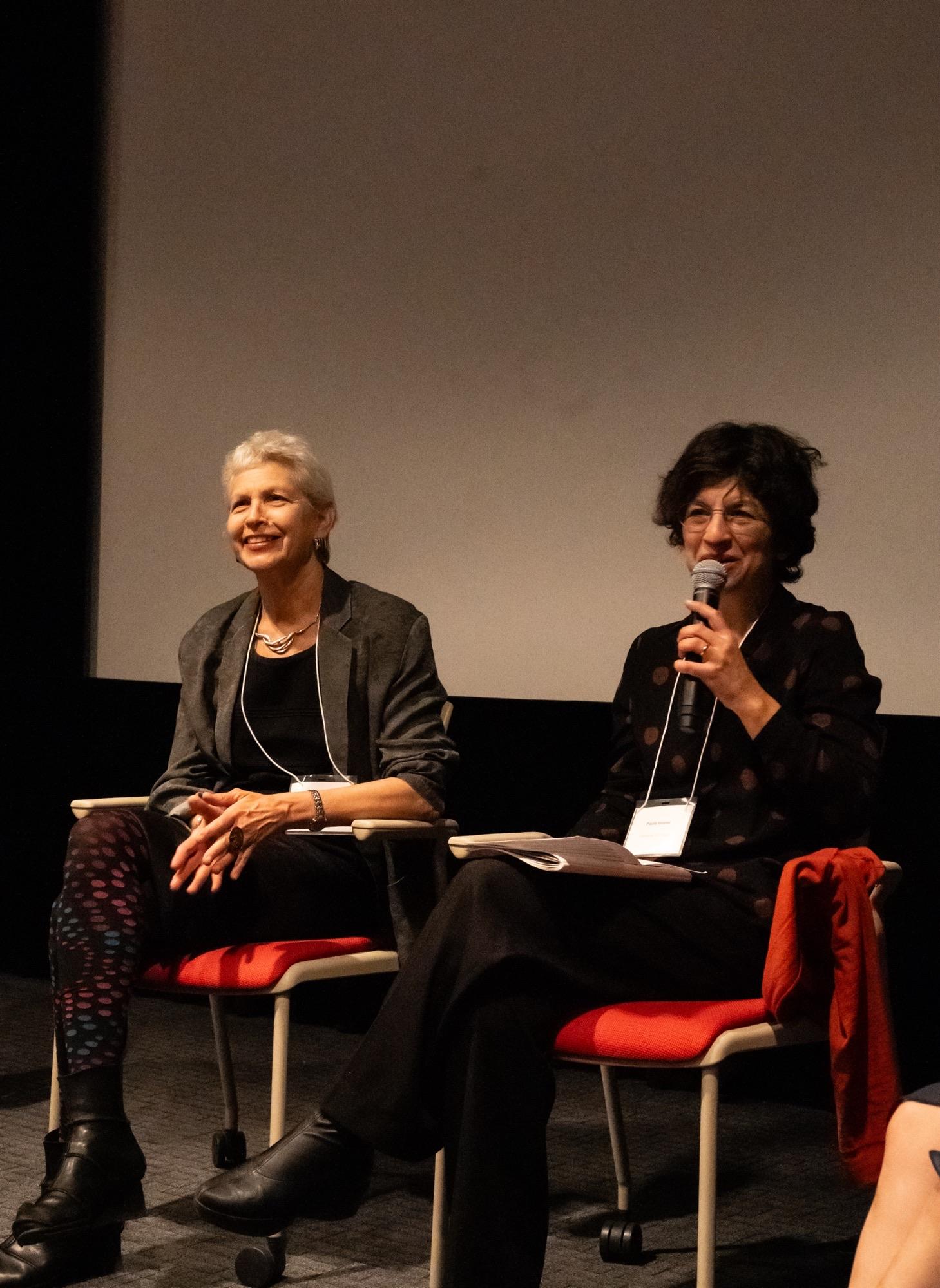
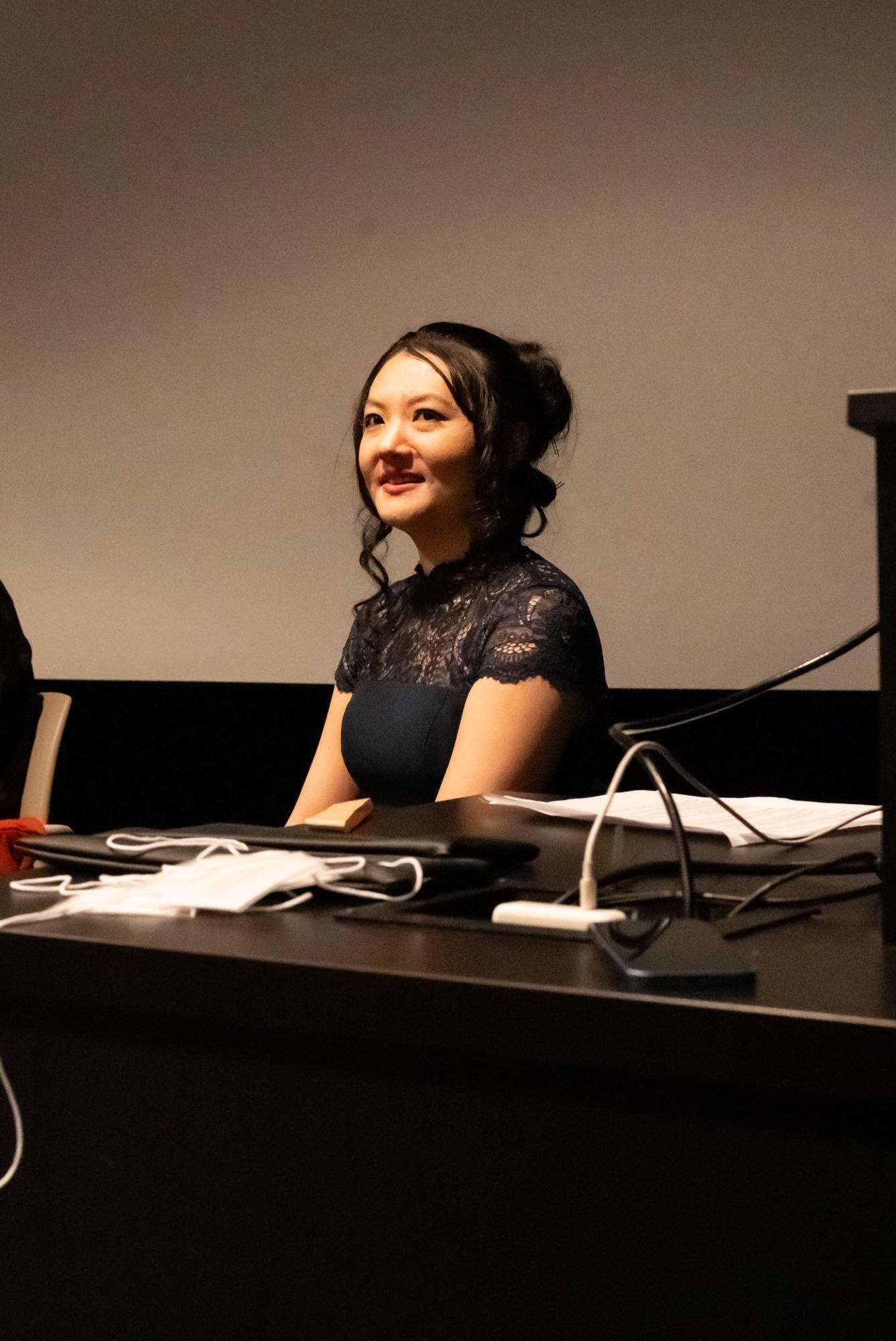
An exhilarating celebration of 100 Years of Women’s Yue Opera, this event ground-breakingly marked the first time that Yue Opera was commemorated in a concentrated, multimedia manner that connected academic and practitioner perspectives outside China. Organized, coordinated, and hosted by UChicago PhD student Susanna Sun, a passionate Yue opera fan and performer, the celebration—which took place on April 5 and 6, 2024—has been commended as “complex and wonderful,” and was made possible by many UChicago faculty members. It consisted of a film screening of five Yue opera film classics, film commentary, a keynote speech by Professor Jiang Jin, a panel of three presentations with comments by specialist faculty, a performance lecture, as well as a six-person roundtable that reflected on Yue opera’s possible future. Accompanied with full attendance at the International House, contemporary Yue opera star actress Jun’an Wang’s stunning performance of Liu Yong was a highlight of this varied and fascinating series of events. This event is dedicated to 100 years of Women’s Yue opera’s history, as well as to women artists.
This event was co-sponsored by the Center for East Asian Studies at the University of Chicago, with support from a Title VI National Resource Center Grant from the U.S. Department of Education, the Franke Institute for the Humanities, the International House Global Voices Program, and the Department of East Asian Languages and Civilizations.
Faculty
William R. Kenan, Jr. Professor Judith Zeitlin has been awarded a grant from the National Endowment for the Humanities. Please go here for more information.
Ed Shaughnessy, Larraine J. and Herrlee Creel Distinguished Service Professor in Early Chinese Studies, was interviewed for the Shanghai Review of Books. The article can be found here. Shaughnessy was also interviewed in “We Understand Only a Very Small Part of Ancient China,” Wenhui bao, 15 November 2019.
University of Chicago historian and professor Judith Zeitlin, and Beijing based composer Yao Chen collaboratively undertake the creation of an opera, with Yao composing the music, and Zeitlin writing the libretto. Entitled Ghost Village, the opera will be based on a ghost story of the same name that features in Pu Songling’s (1640-1715) masterpiece, Strange Tales from a Chinese Studio.
Yoonbin’s UPenn dissertation, “Transnational Affects Reprised: Korean Cinema’s Negotiations with Systems of World Cinema,” has been awarded The Timothy Corrigan Dissertation Award in Cinema and Media Studies.
Ariel’s book, The Cornucopian Stage: Performing Commerce in Early Modern China, has been awarded Best First Book in Ming Studies by the Society for Ming Studies, given for books published in 2023 and 2024.
Ted Foss, 75, Theodore Nicholas Foss, 75, of Oak Park, died on Oct. 4, 2026 in the ICU of Rush University Medical Center after an eight-day hospitalization, surrounded by the love of family and friends. Early on, he had served as a historian to the Archdiocese of Chicago, contributing to books on the history of its parishes and institutions. Short teaching positions at Loyola and UIC were followed by an appointment to the University of San Francisco, where he co-founded the Ricci Institute. He then joined Stanford University’s Center for East Asian Studies as associate director, and later held that same position at the University of Chicago until his retirement. He organized many international conferences and publications to advance the field. To learn more about the obituary, visit: https://www.oakpark.com/2026/10/20/ted-foss-75/
Undergrads, Alumni, and More
Hugh Sheperd (谢华) received the third place in the 21st CHINESE BRIDGE Chinese Proficiency Competition for Foreign Students (final round) . Hugh won the top prize last fall in the Midwest regional contest and entered the final/global stage of competition representing US Midwest. After rounds of preliminaries, the semi-final and the final, Hugh was placed the Third Place. The Chinese Language Program would like to congratulate Hugh on his great achievement and express our gratitude to Yi-lu Kuo, our Chinese IP, for her guidance as his faculty advisor. The Chinese program would also like to thank CEAS for their generous support to our students.
Alumna Yuhang Li has been awarded the 2021 Religion and the Arts Book Award by the American Academy of Religion for her book, Becoming Guanyin: Artistic Devotion of Buddhist Women in Late Imperial China. The jury says, "Yuhang Li's book provides anglophone readers with an unparalleled and badly needed authoritative study on one of the most important figures in Chinese myth and religious practice, particularly with respect to women's experience in late imperial China. Particularly intriguing are the discussion and artistic representations of the feminization of Guanyin, the impact of material culture, and the self-mutilation practices of virtuous women that include them flesh cutting and plucking out their own hair to use to embroider an image of the deity—all depicted with elegance, clarity, and an appreciation for the complexities of belief and practice.
Recent EALC College graduate Samuel Baureis has been accepted into the highly competitive 2019-2020 Yenching Scholars program at Peking University: "While at the Yenching Academy at Peking University, I plan to continue my study of the philosophical significance of relationships in the Confucian context, specifically friendship, and the consequences such relationships have on ethical and political structures within a comparative philosophical framework. I have chosen to focus on friendship in particular because, out of the five primary relationships in Confucian philosophy, it has received the least attention in contemporary scholarly work. I believe that a philosophical look at the importance of friendship provides a productive jumping-off point for a larger comparative dialogue between Western and Confucian philosophies. In engaging in this topic, I hope to expand the sphere of cross-cultural knowledge held between Eastern and Western countries and enable effective and meaningful dialogue on pressing political and international issues."
First-year College student Lucy Li won Second Place in the 2019 Midwest University Speech Contest.
Alumnus George Sipos will start an exciting new job in March 2019. Read the full article to learn more! click link